Clash Detection BIM | Interdisciplinary Model Coordination
Detection and resolution of interferences between disciplines to ensure coordinated, constructive and conflict-free models.
What does Interdisciplinary Clash Detection consist of?
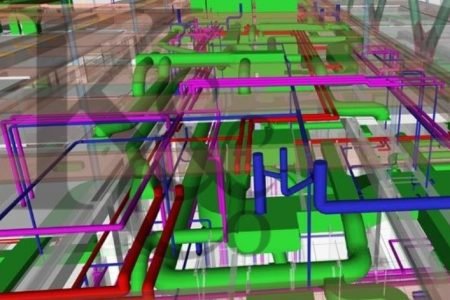
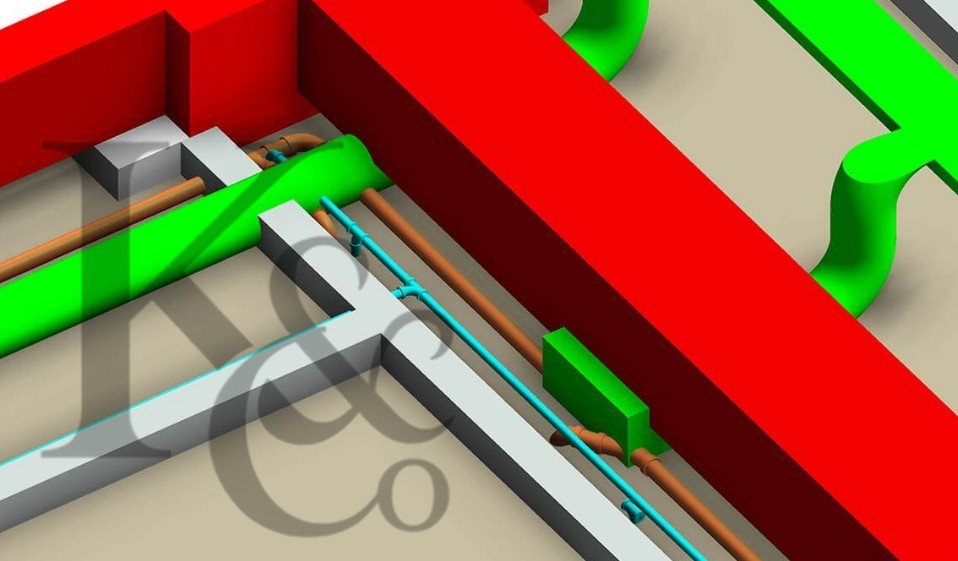
At KAMON & CO. we perform interference detection between the architectural, structural and MEPF (HVAC, electrical, plumbing and RCI) models.
We use platforms like Autodesk Navisworks Manage y BIM 360 to identify, classify and resolve conflicts that could cause delays, rework or cost overruns in construction.
Our Clash Detection services include:
Architectural interference detection
Detection of structural interferences
MEP interference detection (HVAC, electrical, plumbing)
Sprinklers clash against architecture/MEP
Interdisciplinary BIM coordination
Audit and cleaning of models
Interference reports (HTML, XLS, Navisworks)
Conflict resolution and follow-up
Collision matrices by discipline
Workflow for interdisciplinary coordination
- Model aggregation
We unify the architectural, structural, and MEP models in Navisworks or BIM 360. - Interference matrix
We define the tests between disciplines (e.g., structure vs. HVAC, electrical vs. architecture). - Rules and tolerances
We adjust tolerances according to regulations, project type, and construction restrictions. - Running Clash Detection
We detect, categorize and prioritize critical interferences. - Technical review and meetings
We coordinate with designers, contractors, and project managers to resolve conflicts. - Delivery of the coordinated model
Interference-free model, ready for 4D (time) and 5D (costs).
Types of interference we detect
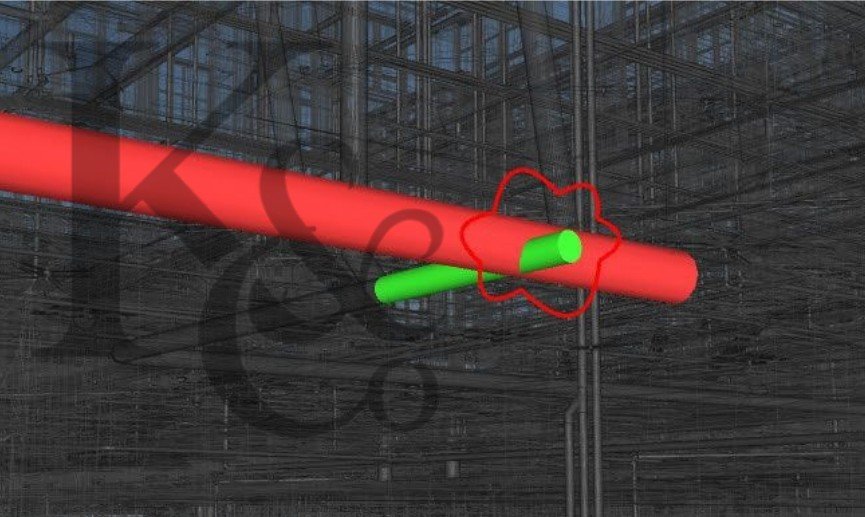
Hard Clash
Direct collisions between elements: pipe vs beam, duct vs wall, electrical tray vs pipe.
Soft Clash
Lack of minimum distances or maintenance zones: access, ventilation, registers, security.
Workflow Clash (4D)
Conflicts due to construction sequence: incompatible activities in terms of time or construction logistics.
Benefits of clash detection in BIM
Elimination of rework and cost overruns in construction
Better coordination between disciplines
Optimization of logistics and construction sequence
Reduction of risks from critical interference
Improved technical decision-making
A more organized and efficient workflow
Technical deliverables ready for auditing
What exactly is a clash in BIM?
It is an interference between two elements from different disciplines that occupy the same space or do not meet minimum tolerances, causing problems in design or construction.
How often should a Clash Detection run be performed?
Ideally at each major project milestone: 30%, 60%, 90% and before issuing IFC drawings.
How are the reports submitted?
In HTML, XML, Excel tables, and .NWD files with organized viewpoints.
How much does this service cost?
It depends on the project's complexity, level of detail (LOD), and the number of disciplines to coordinate. We can quote per model, per phase, or monthly; contact us.Get in touch with us.